
Knee Replacement
Knee Replacement – What happens during my hospital stay?
Once the decision to proceed with knee replacement has been made, a convenient date for surgery will then be agreed with you. You will be invited to attend a Pre-Assessment Clinic around 1 week before your operation. At this clinic, your blood pressure will be checked, a few simple blood tests done and occasionally an ECG or chest x-ray requested. You will normally be admitted on the day of surgery. Mr Gibb will visit you before the operation to mark the limb to be operated upon and to obtain your written consent to proceed. You will have an opportunity to see the Anaesthetist prior to the operation, which is normally performed under spinal anaesthetic, supplemented by sedation if necessary or sometimes a general anaesthetic.
You will return from the operating theatre with a padded dressing on the operated knee, a drip in place through which antibiotics and some intravenous fluids will be administered, and anti-embolism stockings and foot pumps applied to prevent deep vein thrombosis. To further reduce the risk of thrombosis, blood thinning drugs will also be administered during your inpatient stay and following your discharge for a total of 2 weeks. A surgical drain is sometimes inserted at the time of surgery, and a urinary catheter is sometimes also required, both of which will be removed as soon as possible following the operation.
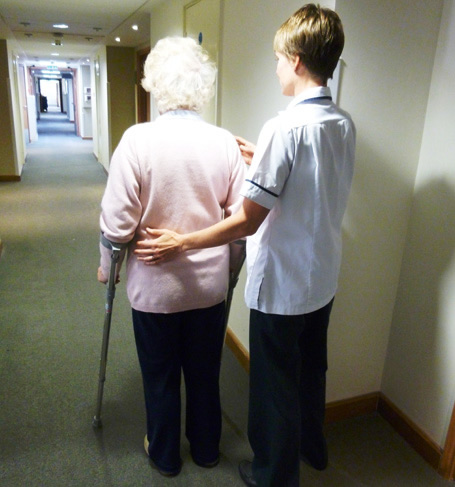
You will be expected to stand and begin walking the day following surgery and are likely to remain in hospital for a total of 4-5 nights before being discharged with arrangements made for removal of skin clips between 10 and 12 days following the operation, and outpatient review with Mr Gibb at around 6 weeks.